


Lots of Things to Know About Series
Lots of Things to Know About Series
Ages 5–12 | Hundreds of colorful illustrations built around "Why?" questions kids actually ask — exploring space, dinosaurs, animals, weather & the human body.
Couldn't load pickup availability

Lots of Things to Know About Series

My 8 year old has not put this book down since it arrived. He reads it before bed every night and comes to breakfast every morning with a new fun fact. Best purchase I've made in a long time.
Why Most Kids Books Collect Dust
Why Most Kids Books Collect Dust
You've tried handing your kid a book before. They look at it for two minutes, put it down, and ask for the iPad. It's not their fault — most books weren't designed to compete with screens. These were. Full-color illustrations, fun facts on every page, and a layout that keeps kids turning pages on their own without being asked.
Here's how they do it — every page is designed like a visual adventure, not a wall of text. Bite-sized facts keep kids curious without overwhelming them. Bold, colorful illustrations grab their attention the same way a screen does, but without the algorithms, ads, or meltdowns when it's time to stop. Kids don't just read these books — they get lost in them.
At Wonder Pages, we believe these books are changing the game — and we've heard it from parents too. The next generation of kids is growing up surrounded by AI, algorithms, and screens fighting for their attention every second of the day. We're here to give them something better — real pages, real knowledge, and real curiosity that no screen can replicate. This isn't just a book. It's our way of helping kids build the focus, imagination, and critical thinking they'll need to thrive in a digital world.
Love it or your money back
Love it or your money back
We stand behind every book we sell. If you're not completely satisfied with your purchase for any reason, contact us within 90 days and we'll make it right — no questions asked.



Kids Who Reach for the Book — Not the iPad
Most parents know their child spends too much time on screens. Not because they don't care — but because nothing else has been able to compete. YouTube is engineered to be addictive. Tablets are designed to keep them scrolling. And every "educational app" still trains their brain to swipe, not think.
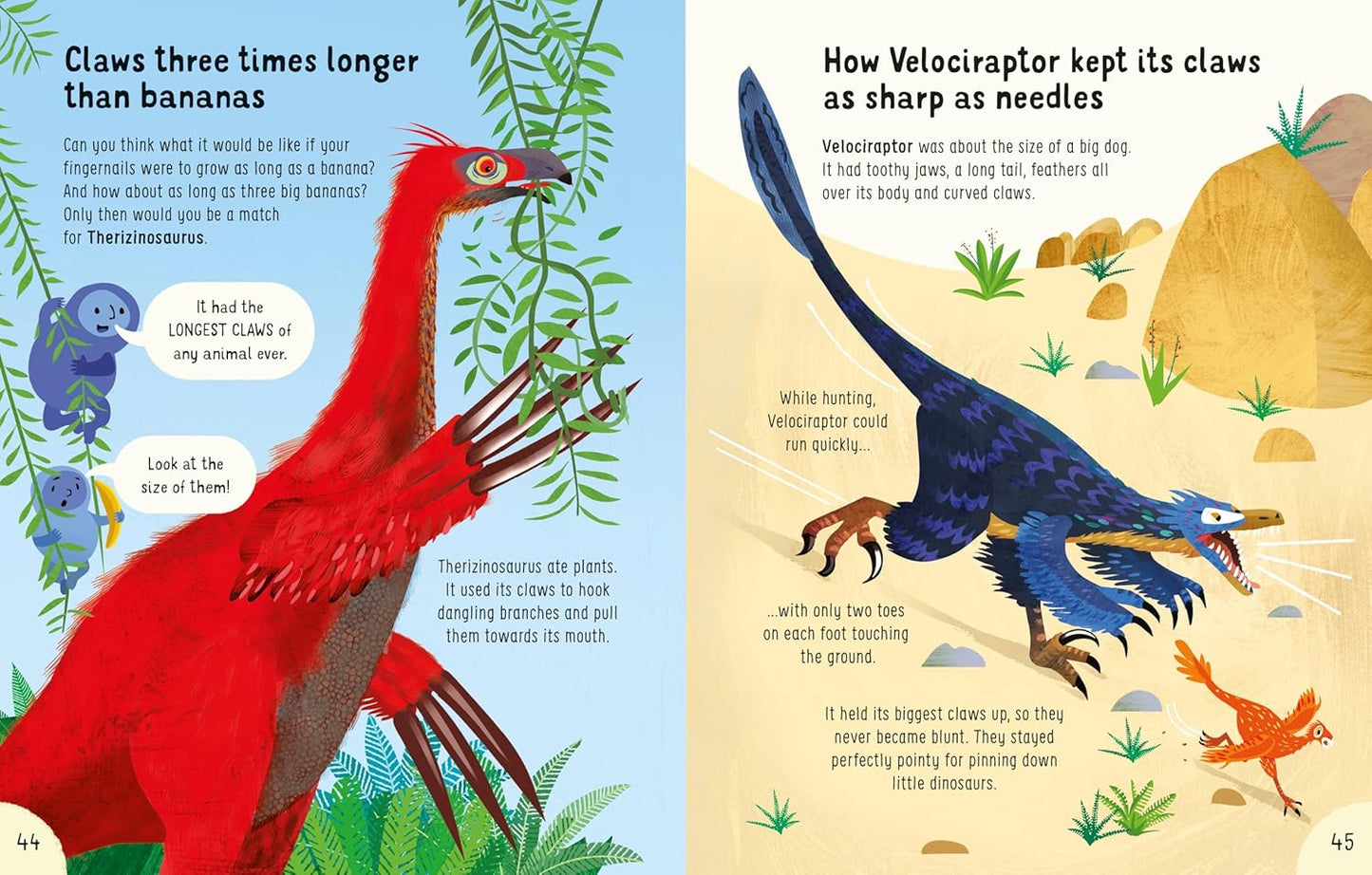
This encyclopedia set was built to break that cycle. But not by being another boring book your child ignores. Every page is engineered to compete with a screen — and win:
Bite-sized Q&A format so they never hit a wall of text. Each page answers a real question kids actually ask — "Why is the sky blue?" "Can dinosaurs come back?" — in short, satisfying bursts that keep them flipping.
Comic-style illustrations and full-color art on every single page. No clipart. No stock photos. Hand-illustrated visuals designed to grab a screen-trained eye and hold it.
Built to browse, not assign. There's no "start here." Kids open to whatever catches their curiosity — space, weather, animals, the human body — and explore on their own terms. No instructions needed.
The result? A child on the couch, quietly turning pages, asking you "did you know…?"
Parents say it's the first thing that's actually worked. Kids say it's their favorite thing they own.
✨ Expert-written. Beautifully illustrated. Screen-free.

Trusted by Families Like Yours
authentic reviews nothing hidden.
-

People are saying that we aren’t teaching reading correctly but the same technologies that are lowering reading scores are the same ones that are killing curiosity. I see babies in restaurants with propped up I pads in front of them. No one is talking to them - my teacher friend says kids don’t know language or books or story structure and it is hard to get them excited. I loved your post.
33
26 Comments
LikeCommentShare -

"Why is the sky blue?""Well it has to do with how the sunshine comes through the air. It breaks the color into a prism, which is like a rainbow. That will be covered in science class when you get to reading at a higher level. It's very interesting!"That gives an answer they can digest and sets up excitement and desire for future learning.
80
LikeCommentShare -

When I was in fourth or fifth grade the grocery store sold a set of encyclopedias, one book a week. I read that book and was ready for the next at shopping time. I drove my teacher crazy.The day I stop learning and questioning will be the day I die...I'm 80.
123
LikeCommentShare


| Lots of Things to Know About | Other Educational Kids Books | |
|---|---|---|
| 1,000+ Full-Color Illustrations | ||
| Bite-Sized Facts | ||
| Covers 5 Science Topics | ||
| Designed for Independent Reading | ||
| Kids Choose It Over Screens |
loved by 10,000+ parents who chose books over screens
90%
Said their child voluntarily chose the books over screens within the first week.
90%
Noticed their child asking more questions and showing genuine curiosity about the world around them.
90%
Reported noticeable improvement in their child's reading level, vocabulary, and school performance within 30 days.
Results concluded from a 90-day post-purchase survey campaign from January 2025 to March 2025.
frequency asked questions
What age is this best for?
What age is this best for?
This encyclopedia set is designed for children ages 5–12. Younger kids are drawn to the vivid illustrations, photos, and bite-sized facts — while older kids dive deeper into the full explanations and start connecting ideas across subjects on their own. Parents tell us their 6-year-old and 11-year-old fight over the same book. That's by design.
Is this book suitable for children who don't enjoy reading?
Is this book suitable for children who don't enjoy reading?
Absolutely! These book are designed with reluctant readers in mind. Each page features large, colorful illustrations, short explanations, and bite-sized facts that don't feel overwhelming. The visual storytelling and cartoon characters make it feel more like an adventure than traditional reading, which helps keep even the most resistant readers engaged.
Will this book help my child's schoolwork?
Will this book help my child's schoolwork?
Yes! The scientific thinking and problem-solving skills developed through these books directly support classroom learning. Many topics align with elementary science curricula, and the critical thinking approach helps children perform better across all subjects. Teachers often notice improved curiosity and participation from students who read books like this at home.
Can young siblings (under 6) also benefit from this book?
Can young siblings (under 6) also benefit from this book?
While the book is designed for ages 6-12, younger children can absolutely enjoy it with parental guidance. Parents can read it aloud to preschoolers, using the illustrations to explain concepts. It's a book that grows with your child—what they understand at 5 will deepen by age 10.
Will my child outgrow this book quickly?
Will my child outgrow this book quickly?
Not at all! The book is designed with multiple layers of complexity. Younger children (6-8) will grasp the basic concepts and enjoy the illustrations, while older children (9-12) will understand the deeper explanations and make more sophisticated connections. Many families report their children returning to it year after year, discovering new insights each time.